
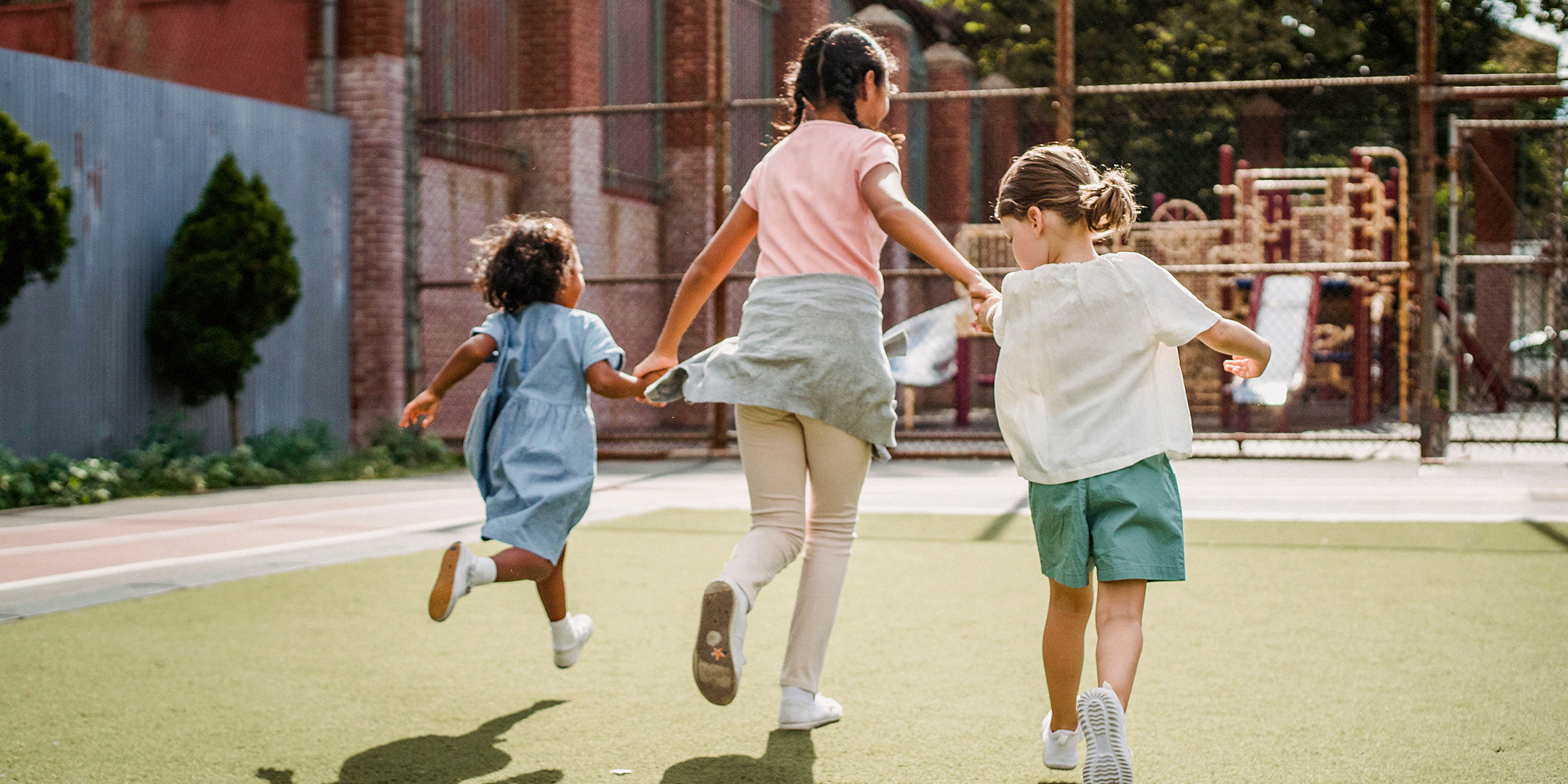

Growing up is the kind of thing that as a young person you desperately can’t wait for. You dream of when you can do anything you want, go anywhere you want, be anyone you want.
And then slowly you wake up every day saying ‘wait, this is what I wanted?'
Sure we can stay up till all hours, buy and eat all the candy, and we can make our own rules in our own lives now… but it also comes at the price of ‘reality’. Taxes, bills, jobs, societal rules, neverending responsibility…
In the uphill battle of learning how to navigate the world as an adult, what did we forget from when we were children? How much of our instincts become quieter when we age and maybe we should look at recovering some of them…
We asked Why.
Children don’t stop questioning the world. Why does that happen? Why do we do it that way? Why can't we change it?
Eventually, adults get very good at just accepting that's the way things are. Maybe not because they accept it, but because they stopped asking why.
Asking why leaves room for curiosity and exploration. It opens doors to learning and critical thinking, but it also challenges certainty. It makes us question whether “that's just the way things are” is actually a good enough answer. (And maybe encourages a little non-compliance for you rebels out there.)
We connected before we compared.
“Hi, wanna play?”
We played with people before we knew much about them. We didn't need to know where they came from, what they believed, or whether we had enough in common first.
Of course, children notice differences. They'll probably ask you about them too. But difference doesn't always have to mean distance.
Somewhere along the way, adults get very good at sorting ourselves and each other. Maybe there's something to learn from starting with “wanna play?” or finding similarities instead
We said when something wasn't fair.
Kids often have a hilarious fairness radar. Who got the biggest piece of cake? Who wasn't invited? Why does my sibling get away with that when I don't?
Our understanding of fairness gets more complicated as we grow, as it should. We learn pretty quickly that the world isn't always black and white. But underneath all those cries of “that's not fair!” was also an instinct to notice when someone was being left out, overlooked or treated differently. Maybe that instinct is worth holding onto.
We imagined things that didn't exist yet.
A cardboard box wasn't limited by the fact that it was a cardboard box. It could become a house, spaceship, store, stage or entire world.
Adults get pretty good at thinking about the limits first: rules, costs, time, practicality. Which, sure, are important. But sometimes societal change, peace, or just life itself requires a little imagination. Sometimes we have to dream up the impossible before we can figure out how to make it possible.
We let ourselves wonder.
As kids, the smallest things could become the most important thing in the world. A cool rock was a treasure. A weird cloud had to be pointed out. A bug on the sidewalk could stop an entire walk. Somewhere along the way, we just… got used to things.
Wonder doesn’t have to come from something huge. It can be noticing the moon, hearing a song at exactly the right time, or finding something beautiful in a very normal Tuesday. Maybe we just need to let ourselves be impressed by the world a little more often. To slow down, notice the small things, and remember that they can still feel big.
We forgot how to say “I don’t know.”
Adults can get caught up in needing to be right. To know the answer. To not look like a beginner or admit that maybe we have absolutely no idea what we're doing.
Kids don't seem nearly as bothered by that. They don't know a word? They practice it. Don't know how to do something? They ask how. Not knowing isn't something to hide, it's just the place they start from.
Maybe we could stand to be beginners a little more often.
Maybe growing up doesn't mean we have to leave all of this behind. Obviously, we're not suggesting you stop paying your taxes, build a blanket fort and refuse to go to work (although the blanket fort is still encouraged).
We know more now. We've experienced more. We've learned boundaries, responsibility and that sometimes there really is a reason for the rules.
But maybe growing alongside the young people in our lives also means remembering they aren't the only ones doing the learning.
Maybe youth aren't just people we're preparing for the future. Maybe if we pay a little more attention, they can remind us of a few things we forgot along the way.


