
Community Conversations
A series of facilitated, inclusive dialogues that bring together people from different backgrounds to share what they are seeing and experiencing in our city.
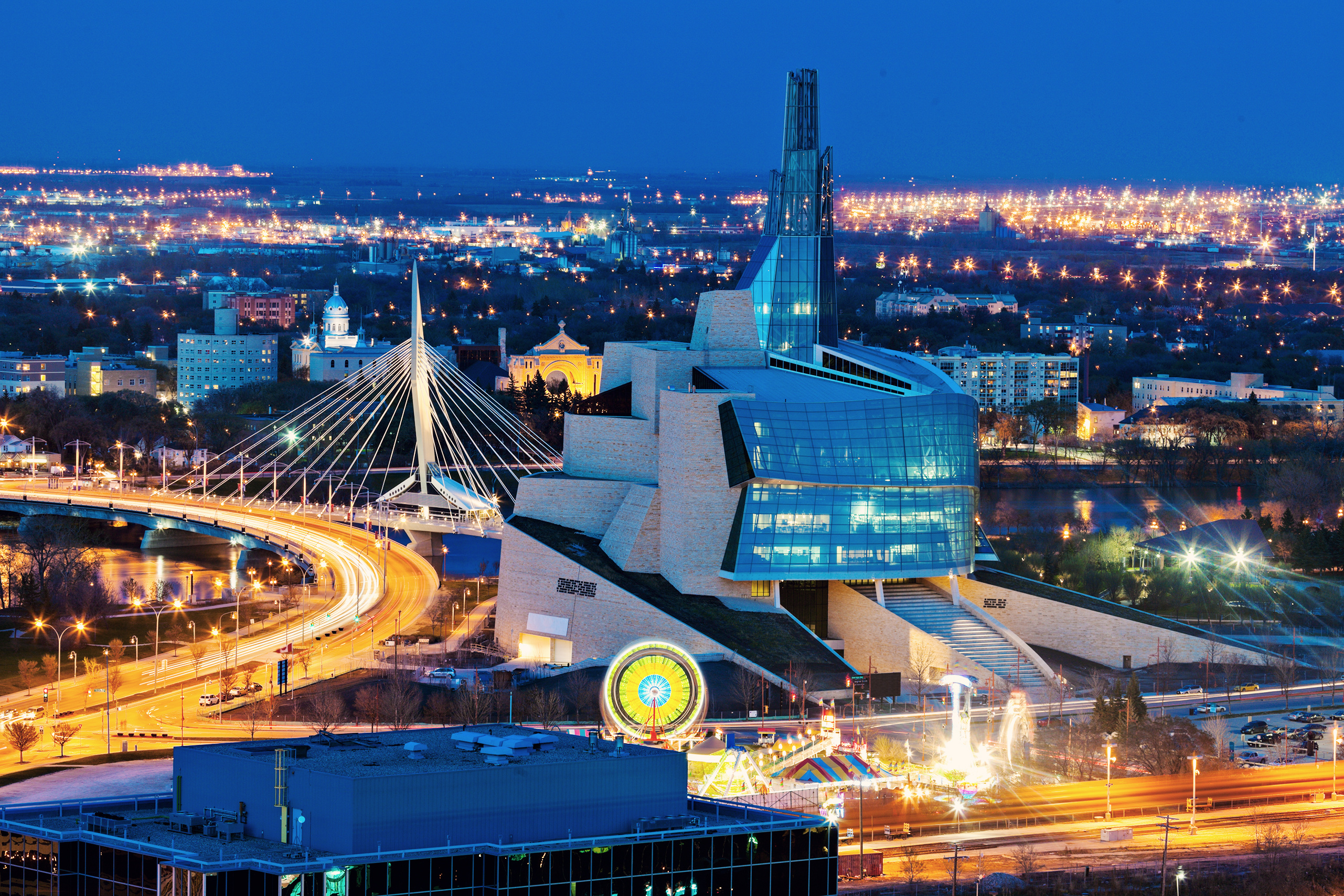

Across Winnipeg, people are feeling the impacts of disconnection; on our streets, in our neighbourhoods, and in our relationships with one another. While many organizations and individuals are already doing important work, too often these efforts happen apart rather than together.
When people are given space to share their lived experiences, without judgment and with care, new possibilities emerge. Compassion becomes something we practice, not just talk about.
.png)
.png)
Kahanee is partnering with Compassionate Cities Winnipeg to host these dialogues because we know that community wisdom lives in the room.


These are facilitated, inclusive dialogues that bring together people from different backgrounds, cultures, and lived realities.

What is shared is documented and distilled into insights that can inform community action, partnerships, and systems change.

These are not debates or lectures. They are relational spaces grounded in respect, curiosity, and collective responsibility.
Each conversation is shaped by three simple questions. This framework centers lived experience while keeping the focus on shared action.
This question invites you to share what you are seeing and experiencing in your everyday lives, grounding the conversation in lived reality rather than assumptions or headlines.
This creates space to reflect on the personal and collective impacts of these experiences, helping us connect emotion, story, and responsibility with care and honesty.
This shifts the conversation toward shared imagination and action, inviting you to explore hopeful, community-led pathways forward.
These conversations are about belonging, dignity, and collective care. We invite participants to

Participants are encouraged to share from their own stories and realities, honouring personal truth rather than speaking on behalf of others.

Listening is approached as an active, compassionate practice—one that makes space for understanding, even when perspectives differ.

Ideas are offered in a spirit of curiosity and collaboration, with the intention of contributing to collective learning rather than persuasion.

The focus remains on what we can create together, moving away from fault-finding and toward shared responsibility and possibility.
Kahanee is proud to host these conversations as part of a broader effort to strengthen connection, cultural understanding, and community-led solutions across Winnipeg. Becoming a City of Compassion doesn’t start with policy, it starts with people coming together, building trust, and choosing to care for one another.
Your hosts for these facilitated dialogues
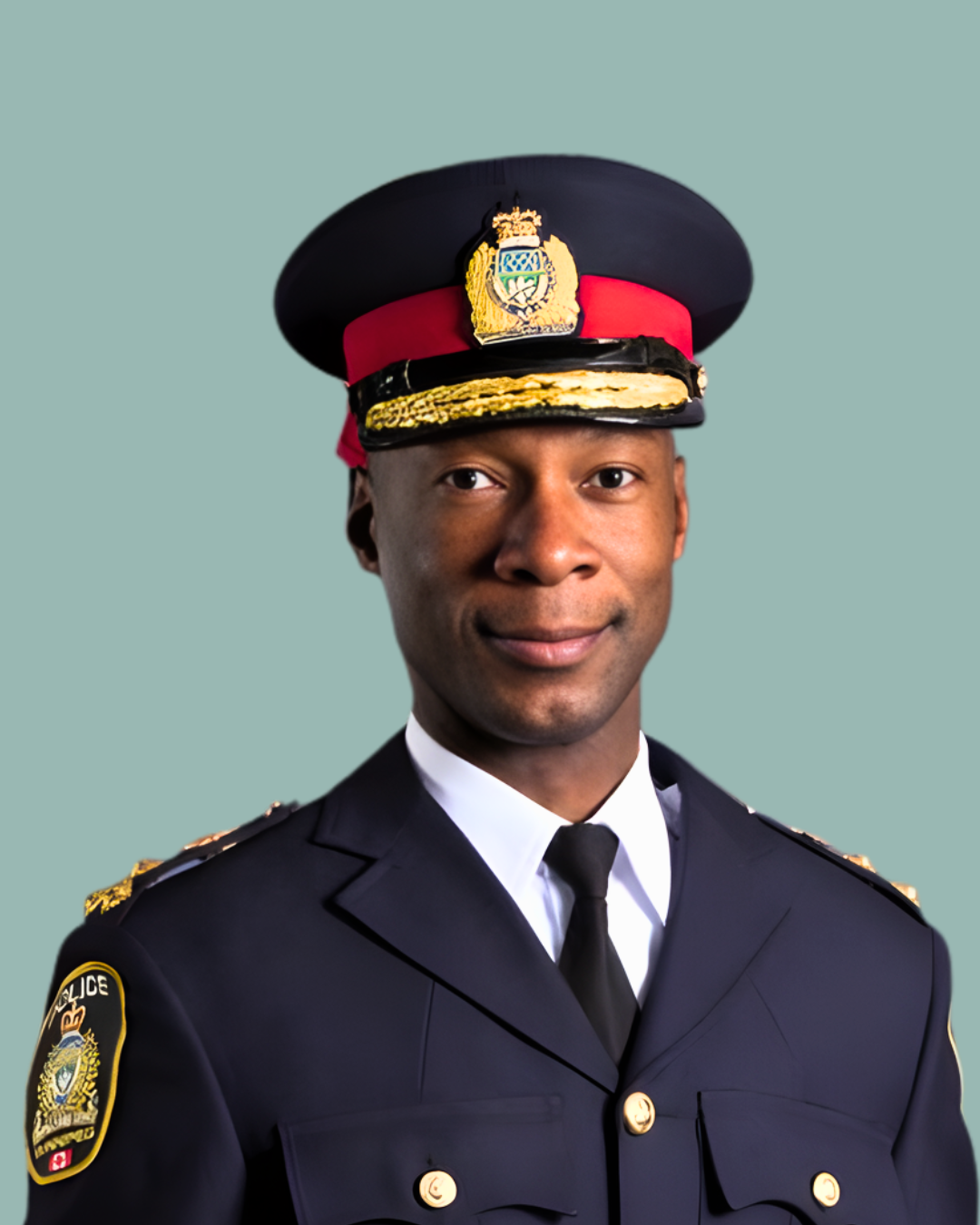
Former Winnipeg Police Chief, community safety and leadership advocate
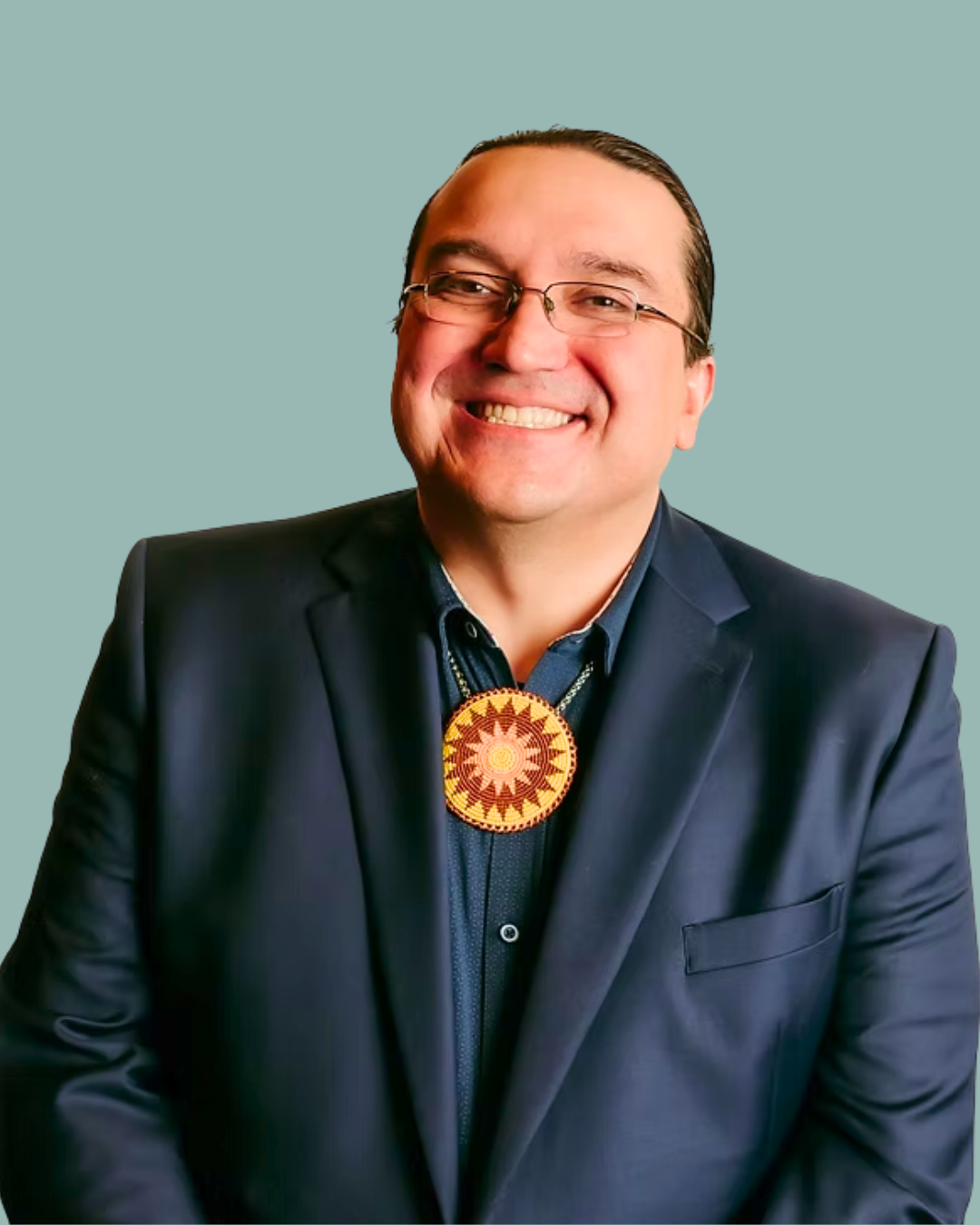
Community leadership consultant and social change facilitator
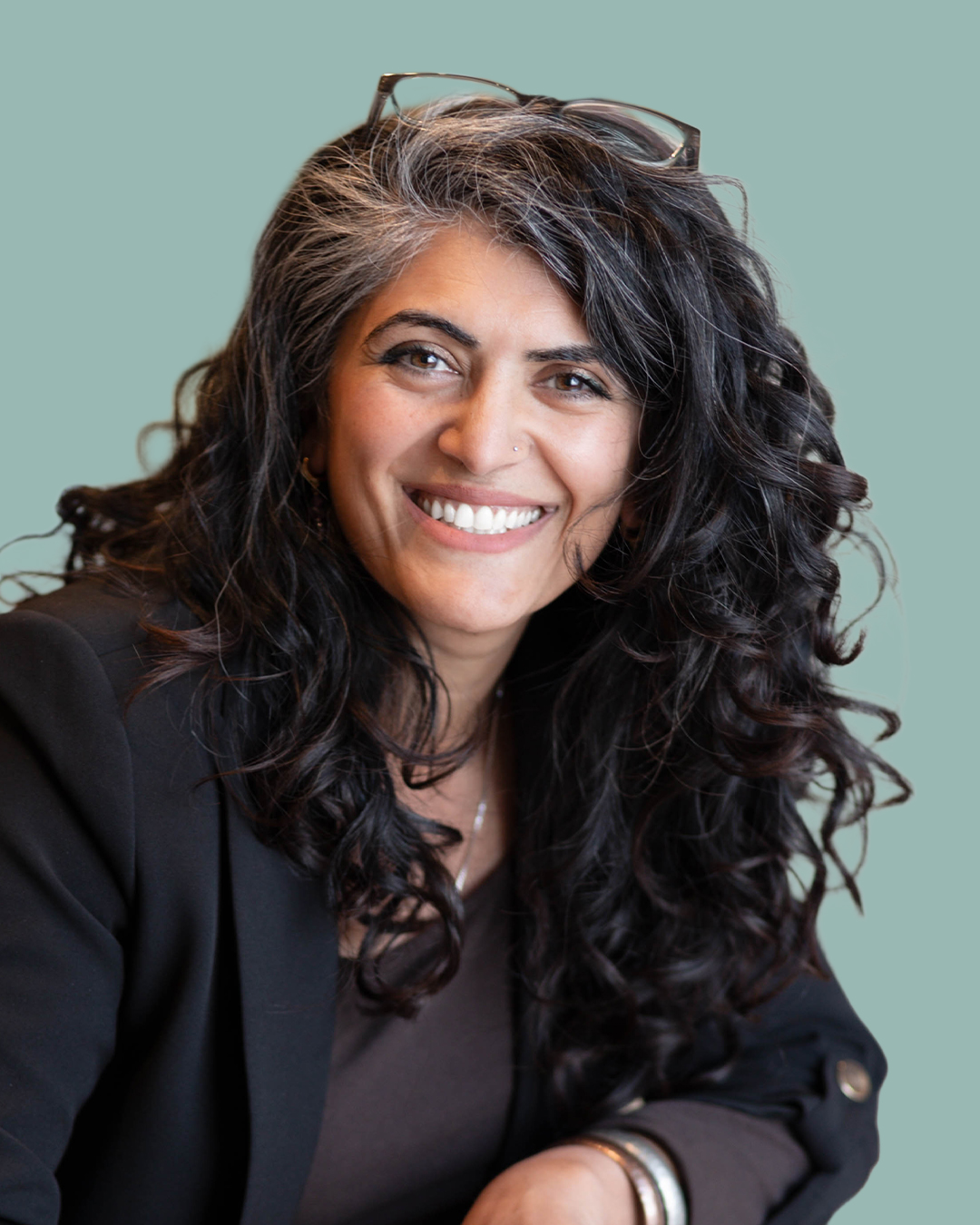
Founder of Kahanee, peacebuilder and dialogue facilitator
.png)
Dentist, artist, interfaith leader, City of Compassion organizer

Community engagement specialist and dialogue facilitator

Youth advocate and community leadership facilitator
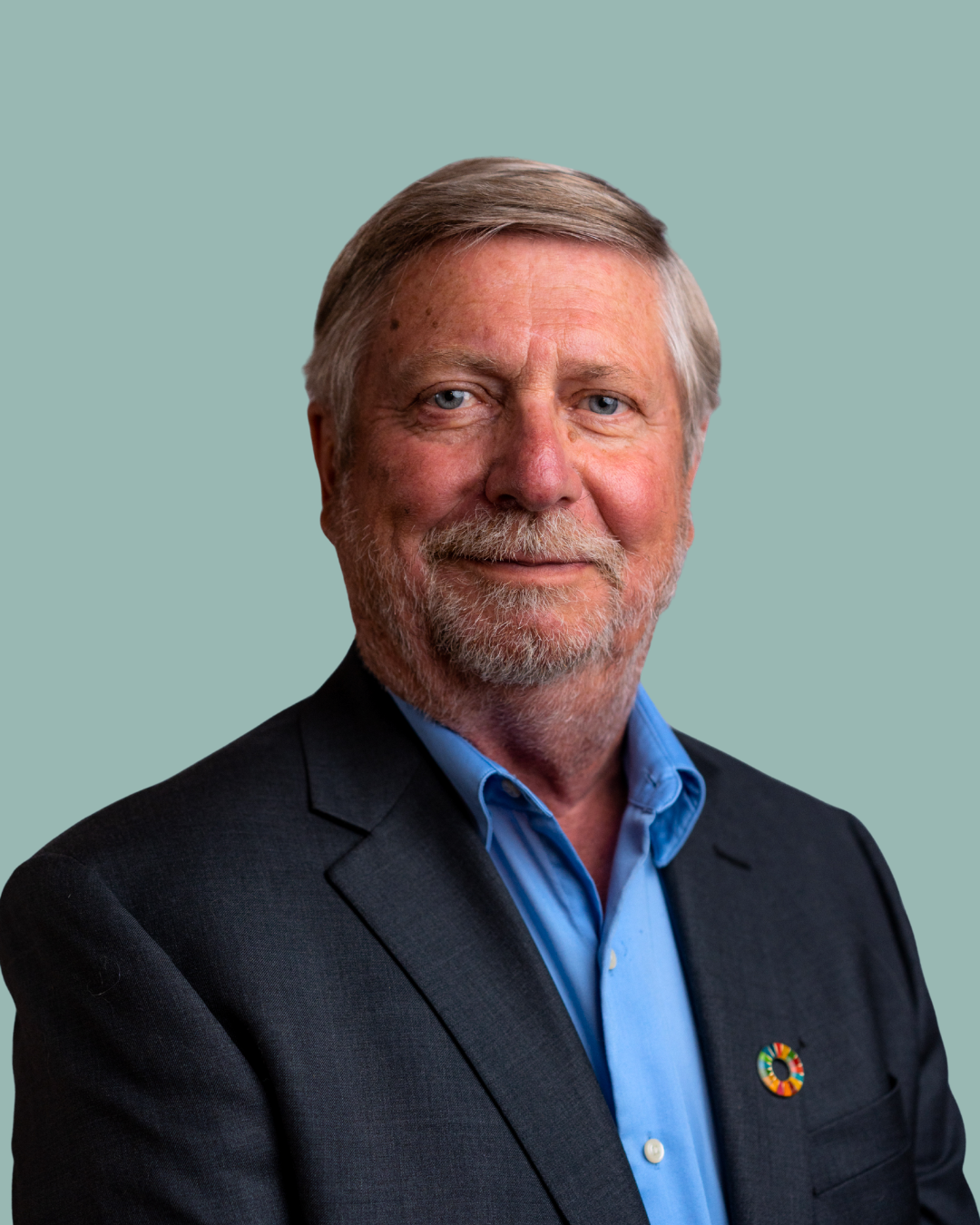
Member of the Board of Trustees, Charter for Compassion (International)
.png)
Director of Partnerships and Dialougue Facilitator
Our dialogue with the Hindu Society of Manitoba explored what compassion looks like in everyday life and what it could mean for Winnipeg more broadly. Participants reflected on fears, hopes for the future, and the challenges that can make it difficult for people to feel connected to one another.Across the conversation, there was a strong desire for greater understanding, belonging, and opportunities to connect across differences. Participants emphasized the importance of creating welcoming spaces where people can share openly, listen to one another, and build stronger relationships within their communities.
Our fourth dialogue, held in partnership with Councillor Devi Sharma, explored the pressures affecting everyday life in Winnipeg. Participants raised concerns about housing, homelessness, addictions, mental health, public safety, food insecurity, and increasing strain on families and community services. Broader concerns around isolation, polarization, racism, anti-immigrant sentiment, and changing ways of connecting were also part of the conversation. Alongside these challenges, participants pointed to Winnipeg’s diversity, community organizations, volunteers, youth leadership, and everyday acts of care as important strengths. A consistent message emerged: stronger relationships and a deeper sense of belonging are essential to addressing complex challenges and building a more compassionate, resilient city.
In partnership with Compassionate Winnipeg, CanU Canada, and community partners, youth gathered to explore what a more compassionate Winnipeg could look like and how they could help build it.Following weeks of conversation, coaching, and collaboration, youth teams presented projects responding to challenges they see in their communities. Their ideas explored theatre as a tool for peacebuilding, technology to encourage neighbourhood care, recognition for often-overlooked community members, and new ways to strengthen belonging and connection.Every youth-led project received seed funding to help move their idea into action.A clear message emerged from the gathering: young people are not simply waiting for the future. They are ready to shape it. When communities create space for youth leadership and invest in their ideas, compassion can move from conversation into tangible action.
In partnership with CanU Canada, 40 youth gathered to discuss compassion, wellbeing, and community in Winnipeg. Participants spoke about rising homelessness, substance use, mental health challenges, and the growing impact of social disconnection, especially among young people.Despite these realities, youth participants focused strongly on solutions and action. Together, they developed eight student-led ideas centered on neighbourhood care, wellbeing, safety, opportunity, and stronger support systems for families and communities. A consistent message emerged across the dialogue: young people are ready to lead, and communities are asking for deeper connection and belonging.
Our second dialogue focused on the weight many people are carrying: exhaustion, anxiety, isolation, and a growing sense of polarization within communities. Participants reflected on how individualism, prejudice, and fear can create barriers that keep people apart.Alongside these concerns, people shared a desire for greater compassion, connection, and collective responsibility. Conversations highlighted practical ideas like community gardens, neighbourhood engagement, and educational initiatives, while also emphasizing mindset shifts rooted in openness, empathy, and breaking down barriers across differences.
At our first Community Conversations gathering, 30 Winnipeggers came together to reflect on what people are feeling in the city right now. Participants spoke about growing disconnection, loneliness, and the impacts of racism, antisemitism, anti-Indigenous realities, poverty, and exclusion. Many shared that life feels increasingly fast and isolating, with fewer spaces to pause, reflect, and build relationships.At the same time, hope and compassion remained central themes. People emphasized dignity, especially when discussing homelessness and vulnerability, and spoke about the importance of listening, showing up, and staying curious with one another. Youth were also named as both deeply impacted and full of insight and possibility.


