
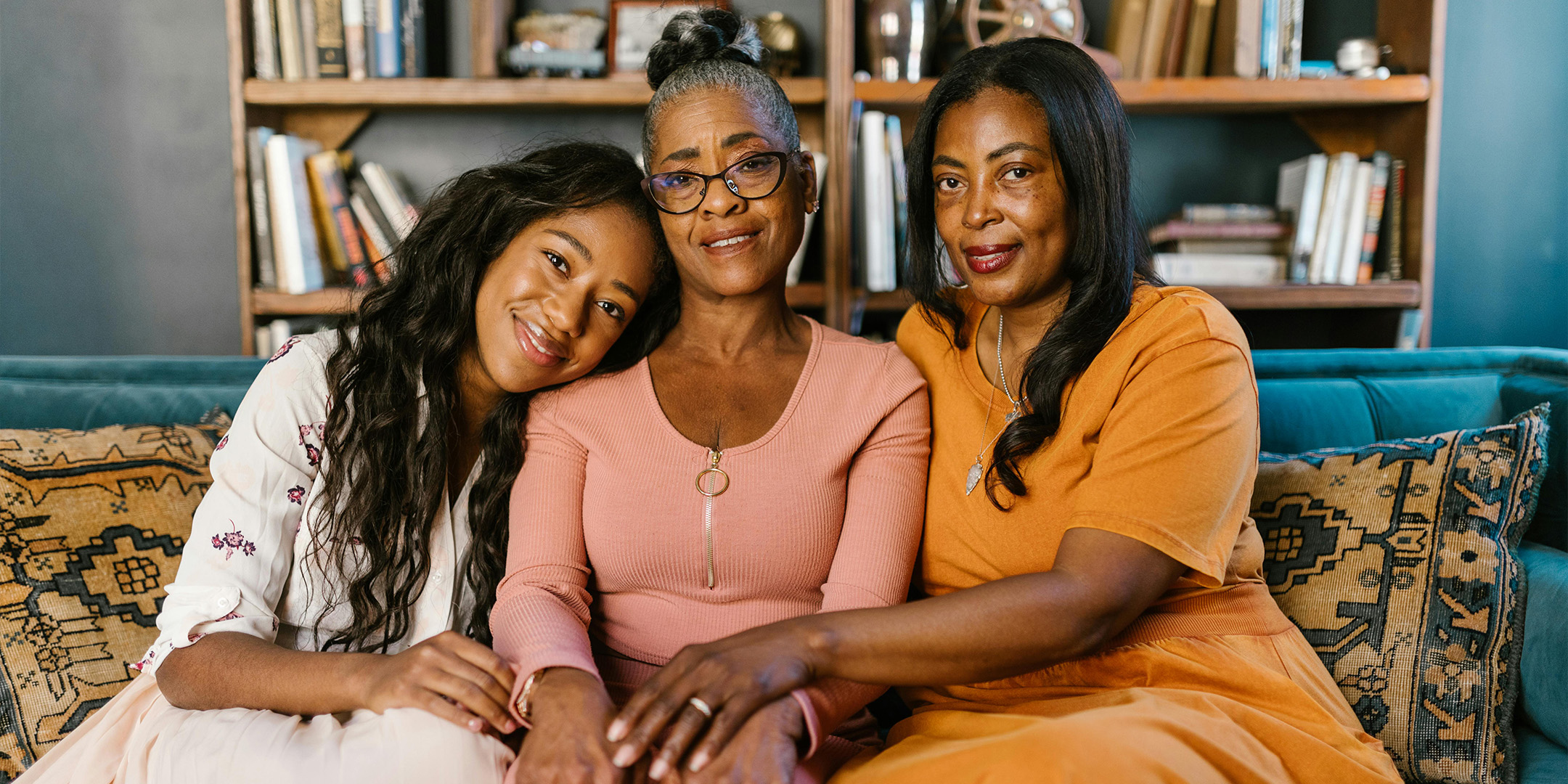

Spring carries the first hints of rebirth in the northern hemisphere. The air changes. The light stretches a little longer. Things begin waking up again.
It is a season filled with stories of birth, renewal, and new beginnings. We see it echoed everywhere. In our cultures, our faith traditions, our family rituals, and yes, even in the commercial holiday aisles. Crème eggs included.
March also brings International Women’s Day on March 8th, a day meant to honour women across the globe. A moment to recognize the women in our lives, the women who came before us, and the many “firsts” that pushed equality forward in visible ways.
And like many things these days, IWD can feel complicated.
It reminds us how much has changed, while also making visible how much still needs to change.
But instead of spiralling into existential dread, because honestly none of us need more of that right now, we at Kahanee want to pause and honour a different kind of legacy.
Not only the women whose names end up in history books, museum walls, or glass boardrooms.
We want to honour the women who hold entire worlds together quietly.
The women who create safety and stability without recognition. The women who show up over and over again in the ordinary moments of everyday life.
Women like mothers, grandmothers, aunties, daycare providers, teachers, neighbours, pharmacists, cashiers, community organizers, and friends.
The women who remember birthdays. The women who save recipes in stained notebooks. The women who check if you got home safe. The women who somehow make hard things feel survivable.
The women who keep traditions alive, families connected, households running, and communities grounded.
Because stories do not only live in books.
Often, they live in women.
Five Ways Women Carry Stories
Through the Home
Women often carry stories through physical spaces and objects.
A carefully organized bookshelf. Heirlooms tucked into old shoe boxes. Chipped china in the cupboard that nobody is allowed to throw away. Scarves passed down between generations. Recipes measured by instinct instead of teaspoons.
Homes become living archives.
These objects tell stories about ancestors, migration, love, survival, values, grief, celebration, and the kinds of lives women hoped their families could build.
Sometimes storytelling looks like memory made tangible.
Through Labour
There are stories hidden inside repetitive work.
Laundry. Dishes. Gardening. Factory shifts. Cooking meals. Braiding hair. Sweeping floors. Folding tiny socks. Packing lunches.
Women have long carried stories through labour, through the quiet rhythm of doing things over and over in order to keep life moving forward.
And often, it is in these moments that stories are shared too. Across kitchen tables. During long chores. While hands are busy and conversations unfold naturally.
Maybe that is why certain acts of care stay with us forever.
Fresh bread on the counter. A carefully packed meal. Someone oiling your hair before bed.
Love is often remembered through labour.
Through Thought
Women are so often expected to carry the invisible architecture of daily life.
Remembering birthdays, anniversaries, appointments, favourite foods, allergies, school forms, grocery lists, and the emotional temperature of everyone in the room.
It is emotional labour, yes. But it is also a form of storytelling.
A deep understanding of what a family or community needs. A commitment to remembering what matters. A desire to make people feel cared for in ways both big and small.
It lives in handwritten cards. In soup dropped off at the right moment. In setting the table with the “good dishes” just because everyone finally made it home at the same time.
Sometimes stories are carried through the tiny details people almost forget to notice.
Through Aesthetic
Women have long used fashion and adornment not just for expression, but for storytelling.
A piece of jewelry passed down through generations. A tattoo marking belonging or memory. A specific lipstick worn as resistance. Clothing that signals grief, marriage, celebration, faith, or cultural identity.
Sometimes aesthetic choices carry histories words cannot fully explain.
And for many women throughout history, these objects were not only decorative. They were protection. Wealth. Memory. Identity. Survival.
Stories are often stitched, worn, inherited, and carried on the body.
Through Physicality
Women are often the grounding force in a room, a family, or a community.
The instinct that notices when something is wrong before anyone says it aloud. The open arms waiting when someone is hurting. The steady presence after a difficult day.
And then there is the physical labour itself.
Holding a baby on one hip while carrying groceries and answering a phone call. Sitting beside hospital beds. Staying up through the night with sick children. Carrying generations forward with bodies that are constantly asked to hold more.
There is story inside that too.
Inside endurance. Inside tenderness. Inside the countless ways women carry others from beginning to end.
And maybe that is worth honouring loudly.
Not only once a year, but often.
Because so much of what holds the world together has always been carried quietly.


