
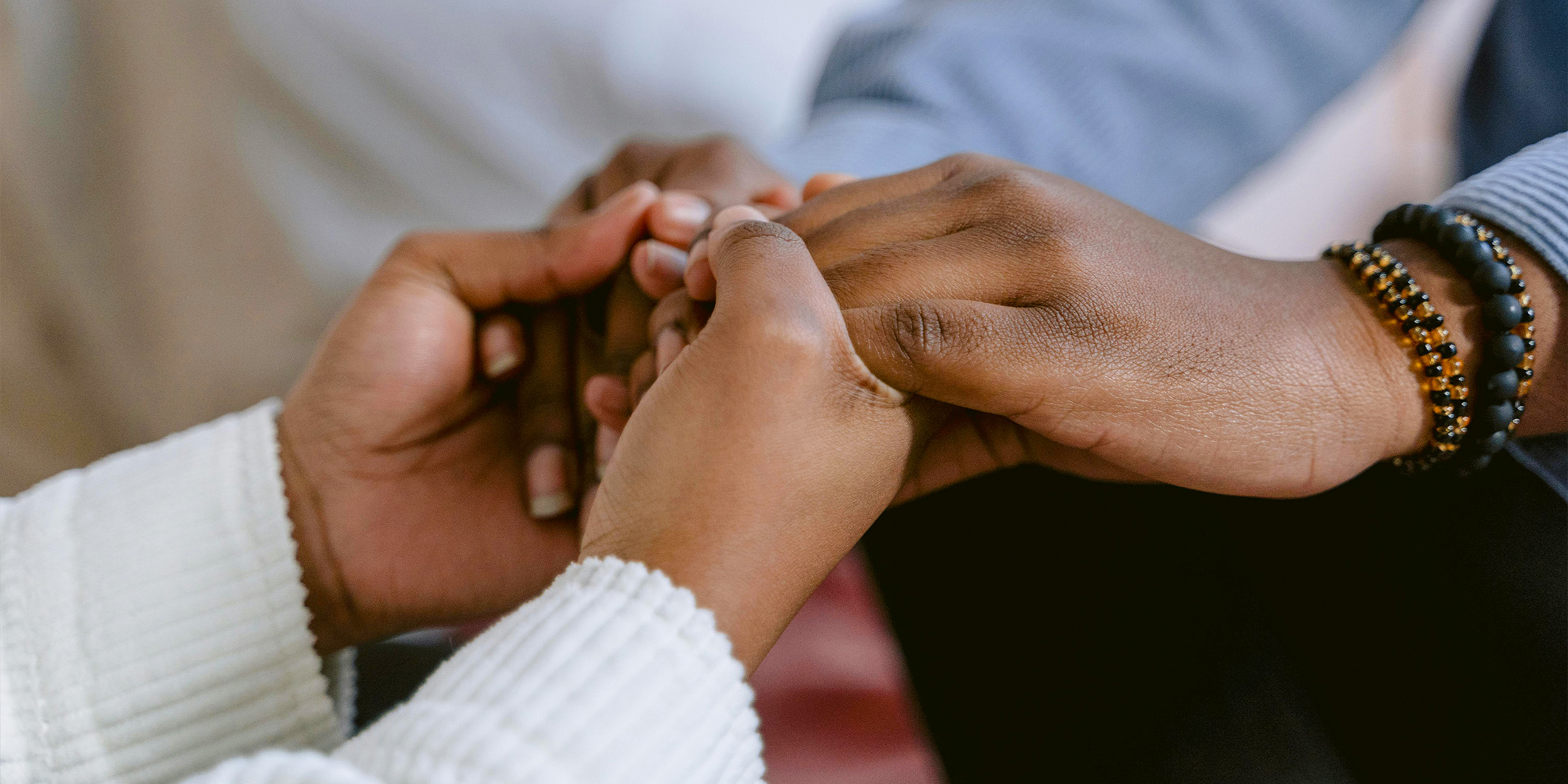

We are at a threshold in the world.
Lately, things feel heavy. The news is overwhelming. Social media feels loud and exhausting. I don’t think any of us imagined stepping into this year and watching so many hard conversations, fears, and fractures unfold all at once.
Maybe some part of us hoped this year would feel lighter. Softer. More connected.
But even though all this, something else is happening too.
People are standing beside their neighbours and saying something has to change. People are searching for connection. They are joining clubs, community spaces, events, reading groups, mutual aid circles. People are going to therapy and trying to understand their own wounds so they do not pass them on to someone else. People are reaching for one another in quiet and ordinary ways.
People are smiling at strangers in the corners of the city.
People are choosing kindness even when the world feels unkind.
And maybe that matters more than we think.
Because peace is not only something negotiated between governments in closed rooms or discussed in hopeful headlines. Peace is also something we practice in our daily lives. It lives in the small interactions that shape how we move through the world together.
These acts may seem ordinary, but together they create the emotional texture of our communities. They remind people that they are seen, valued, and not alone.
Peace rarely arrives all at once. More often, it gathers quietly over time.
Learn Someone’s Name and Say It Correctly
Names carry history, identity, language, memory, and belonging. Taking the time to learn someone’s name, and continuing to try until you get it right, is a simple but meaningful way of acknowledging someone fully.
For many people, especially those whose names are often shortened or mispronounced for convenience, hearing their name spoken correctly can feel deeply affirming.
Being seen is often the first step toward belonging.
Acknowledge the People Around You
A smile. A nod. Eye contact. A quiet thank you.
In public and shared spaces, recognition can soften anonymity and isolation. These brief moments remind us that we are not invisible to one another.
Peace begins to grow when people feel that their existence is noticed.
Listen Without Rushing or Fixing
Listening becomes an act of peace when we stop preparing a response and allow someone to speak freely.
Sometimes what people need most is not advice or solutions. Sometimes they simply need room to be heard without judgment or urgency.
Presence creates space for trust. And trust creates the conditions where understanding becomes possible.
Offer Patience in Small Moments
Giving someone time to finish a thought. Letting another person go first in a line or traffic. Choosing not to escalate frustration.
Peace often lives in these pauses.
We are all carrying things others cannot immediately see. Exhaustion. Grief. Loneliness. Fear. Uncertainty. Offering patience does not erase these realities, but it can soften them.
Offer Help Without Expectation
Holding a door. Sharing information. Checking in on someone. Sending a message just to ask how someone is doing.
Care does not always need to be loud in order to matter.
When help is offered quietly and without expectation, it builds trust and strengthens community.
Many of us remember small moments of kindness years after they happened. Not because they changed everything, but because they interrupted a difficult moment with care.
That interruption matters.
Peace Is a Practice
So yes, the news can feel frightening. The world can feel fractured. But there are still moments where peace exists.
It exists in the small things.
And if we continue building those moments into our lives, our communities, and the ways we care for one another, then maybe this threshold is not only one of uncertainty. Maybe it is also the beginning of something better.
At Kahanee, we believe stories, conversations, and community are part of how that change begins. In 2026, we are especially excited about the initiatives we are building to create more spaces for connection, reflection, and collective care.
Because peace is not only an idea. It is a practice. And every one of us has the ability to participate in it.
Which of these small acts feels most needed in your life right now?


